
Beauty & Surgical-Grade Instruments for Tomorrow · OEM & Private Label · Worldwide Export

Send Inquiry
0%

Acrylic Nail Cutters are designed to shorten artificial acrylic extensions with more control than ordinary nail clippers may provide. Their curved or straight cutting edges help create a chosen length and starting shape, such as a square tip or a softer outline. The exact result depends on the cutter’s design and how the extension is positioned. Small adjustments matter.

Acrylic can be rigid, so forcing a cut may split or crack the enhancement. A careful approach is to trim a little at a time, keep the tool steady, and follow its manufacturer’s instructions. Stop if the acrylic shifts, pinches, or begins to fracture. Then refine the edge with a suitable file, using light strokes rather than trying to make every correction with the cutter. This is a practical distinction: cutters remove length, while files help smooth and shape the edge.

These tools are intended for artificial enhancements, not for cutting through the natural nail beneath them. Check that the cutter is clean, sharp, and in good condition before use; a dull edge can require extra pressure. If an extension feels painful, lifts, or shows damage near the natural nail, avoid trimming through that area and seek guidance from a qualified nail professional. Even with good technique, the cut may not look perfectly even at first. That is normal. Understanding what Acrylic Nail Cutters can—and cannot—do makes it easier to choose the right tool and work more cautiously.
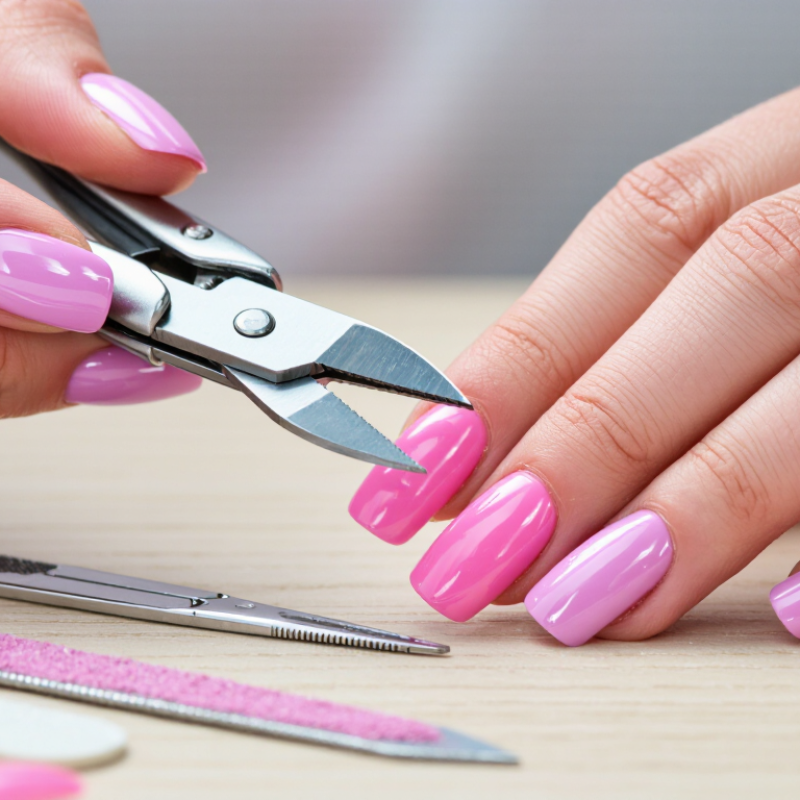
What Are Acrylic Nail Cutters Used For?

What Acrylic Nail Cutters Are and How They Are Designed

Acrylic nail cutters are compact, high-leverage tools made to trim artificial nail enhancements. Their short, sturdy jaws handle thicker material better than ordinary nail clippers. Many designs have curved cutting edges that follow the nail’s free edge, while straighter jaws allow more controlled, square cuts. Spring or pivot mechanisms transfer pressure from the handles to the blades. Details vary, so a cutter’s shape should match the desired finish.

The tool is useful for shortening acrylic extensions before filing, not for shaping every part of a finished set. Its blades make the initial cut; a file refines the edge. The U.S. Bureau of Labor Statistics reported 183,900 manicurist and pedicurist jobs in 2023 and projected 7% growth from 2023 to 2033. That workforce data does not measure cutter sales, but it shows the scale of professional nail services. Simple tool, precise task. Acrylic can still crack if cut too aggressively.

Tips: Support the extension near the cut, then trim small sections instead of squeezing through the full length at once. Keep fingers clear of the jaws. Check the cutter’s care instructions, and clean it between clients. A neat cut helps, but filing still matters.

How Acrylic Nail Cutters Trim Artificial Nails

Acrylic nail cutters shorten artificial enhancements before filing shapes them. Their wide, curved jaws are designed to make a controlled cut through rigid artificial material. A salon professional may trim a long extension in small bites rather than squeeze through it at once. That helps limit sudden pressure, which can split acrylic or tug at the natural nail beneath it. Small cuts. Less cracking.

For a clean trim, the cutter is held across the free edge, away from the client’s skin and natural nail. The technician checks both sides for balance, then files rough corners smooth. Acrylic can feel firm, but it is not indestructible; a blunt or poorly aligned cutter may crush the edge instead of cutting it. I would not treat every cutter as interchangeable, either. Jaw shape and grip affect control, and careful handling matters more than speed.

The U.S. Bureau of Labor Statistics’ Occupational Outlook Handbook projects 7% employment growth for manicurists and pedicurists from 2023 to 2033, faster than the average for all occupations. That workforce outlook is a reminder that nail services rely on trained hands, not just tools. Cutters are for reducing length, not removing an entire enhancement or correcting damage. If the acrylic catches, cracks, or causes discomfort, stop trimming and assess the nail before continuing.

What Are Acrylic Nail Cutters Used For? - How Acrylic Nail Cutters Trim Artificial Nails
Use How the Cutter Is Used Typical Result Practical Note
Shortening artificial nail extensions Place the free edge of an acrylic or other compatible artificial nail into the cutter’s opening, then squeeze the handles to trim it. A shorter extension without filing away the entire length. Check the cutter’s design and instructions; not every tool is suitable for every artificial nail material or thickness.
Making a straight trim Position the nail evenly in the cutting opening and make a controlled cut across the free edge. A relatively straight edge that can be shaped further with a file. Trim conservatively. Removing too much length in one cut can make the nail shorter than intended.
Creating a tapered or angled outline Adjust the nail’s position before cutting, or trim small sections from the sides to refine the outline. A starting shape for styles such as square, oval, or tapered nails. Use a nail file after cutting to smooth and balance the shape; a cutter alone may leave a rough edge.
Preparing extensions for filing Remove excess length with the cutter, then use a file to refine the length and shape. Less material to file by hand. Work in small increments, especially when the extension is thick or the desired length is uncertain.
Trimming an artificial nail during maintenance Use the cutter to reduce an extension’s length before completing routine shaping or touch-up work. A more manageable length for continued nail care. Do not cut into the natural nail or the attached product near the natural nail; stop if cutting causes pain or lifting.
What the tool is not for Acrylic nail cutters are intended for trimming compatible artificial nail extensions, not for cutting skin or removing a full nail enhancement. Safer, more controlled use when the tool matches the task. For product removal, follow the appropriate removal method rather than trying to cut the enhancement off.

Which Nail Shapes and Lengths They Can Create

Acrylic nail cutters are used to shorten and shape cured extensions, not to create length by themselves. Their straight or curved blades help refine square, squoval, oval, almond, and tapered-square outlines. A straight cut leaves a crisp edge for square nails; careful corner filing softens it into squoval. For almond or oval tips, trim conservatively, then file both sides toward a centered point. Small adjustments matter.

Length depends on the extension’s structure and the wearer’s daily tasks. A cutter can reduce a long extension to a short, practical edge, or preserve extra length for a tapered silhouette. It cannot safely turn every shape into every other shape: a dramatic stiletto needs enough sidewall support, while a short nail may not have room for a sharp point.

The Grand View Research nail salon market report valued the global market at about $11 billion in 2022, reflecting broad demand for salon nail services; it does not specify preferred shapes or lengths. That distinction matters. A market figure is not a technical cutting standard.

In practice, cut a little at a time and check the profile from above and the side. Avoid squeezing through thick acrylic in one forceful cut, which can crack or lift the enhancement. Not perfect every time. Use a file to balance the two sides, and stop if the product flexes, splits, or feels painful. A trained nail technician can assess whether the chosen length suits the extension’s thickness and the natural nail beneath it.

How Acrylic Nail Cutters Differ from Standard Clippers

What Are Acrylic Nail Cutters Used For?
How Acrylic Nail Cutters Differ from Standard Clippers

Acrylic nail cutters shorten artificial enhancements, including acrylic overlays and nail tips. Their broader, sturdier jaws can handle rigid material more evenly than standard clippers. Standard clippers are designed for natural nails, which are thinner and more flexible. Using them on thick acrylic may crush the edge or create cracks. That matters. A split can travel toward the natural nail.

The difference is not absolute; jaw shape and technique matter too. Cutters with a curved or guillotine-style blade can make controlled, angled trims. Avoid forcing a single cut through a thick enhancement. Small cuts win. The U.S. Bureau of Labor Statistics reported about 175,700 manicurists and pedicurists employed in 2023, with 7% employment growth projected from 2023 to 2033 (Occupational Outlook Handbook). This workforce data does not compare tools, but it highlights the value of repeatable salon technique. A cutter is only one part of a careful service.

Tips: Trim a few millimeters at a time, support the nail tip, then file the edge smooth. Keep the blade clean, and stop if the acrylic shifts or cracks. I would not assume every enhancement cuts the same; thickness and shape can change how the tool behaves.

How to Use and Maintain Acrylic Nail Cutters Safely

Acrylic nail cutters trim artificial nail extensions to a shorter length or shape. Their curved, sturdy blades are made for thicker enhancement material, not for cutting through a natural nail in one heavy squeeze. Small cuts are safer. Hold the hand steady over a clean work surface, and angle the cutter so clippings fall away from the face. Acrylic can split or flick unexpectedly, especially near the sidewalls.

Trim a little at a time, checking both sides for balance after each cut. Avoid twisting the cutter or forcing its handles; pressure can crack the enhancement or strain the tool. Leave a small margin above the natural nail, then refine the edge with a file. If the extension feels painful, lifts, or exposes irritated skin, stop rather than cutting further. It is tempting to correct every uneven spot at once, but that often removes more material than intended.

After use, brush away visible dust and residue, then clean and disinfect the cutter according to its care instructions. Let it dry fully before storing it in a clean, dry case. Check the blades and hinge regularly for rust, looseness, or rough movement. A damaged cutter may crush instead of making a clean cut. Keep it separate from other tools, and do not share it unless it has been properly cleaned and disinfected between users. Even a well-maintained cutter needs a light touch.

FAQS

What are acrylic nail cutters used for?

They shorten and shape cured extensions, such as acrylic overlays and nail tips. They do not add length.

Which nail shapes can acrylic cutters help create?

They can refine square, squoval, oval, almond, and tapered-square outlines. File gradually to balance both sides.

Can a cutter turn any nail shape into another?

No. A sharp stiletto needs enough sidewall support, and a short nail may lack room for a point. Shape has limits.

How should I trim a thick acrylic extension?

Remove a few millimeters at a time and support the tip. Avoid forcing one cut through thick material. Small cuts win.

How do acrylic cutters differ from standard clippers?

Acrylic cutters have broader, sturdier jaws for rigid enhancements. Standard clippers suit thinner, more flexible natural nails. The difference can vary by tool and technique.

What can happen if standard clippers are used on acrylic?

They may crush the edge or cause cracks. A split can travel toward the natural nail, so stop if the enhancement shifts.

How can I get an even edge?

Check the nail from above and from the side after trimming. Use a file to smooth the edge and balance its outline.

When should I stop trimming and ask a nail technician?

Stop if the product flexes, splits, or feels painful. A trained technician can assess the extension’s thickness and the natural nail beneath it. I would not assume every enhancement behaves alike.

Conclusion

Acrylic Nail Cutters are specially designed tools for trimming artificial nails with greater control than standard nail clippers. Their curved or angled cutting edges help manage the thickness and shape of acrylic enhancements, while the handles provide a steady grip. They can shorten extensions and help create styles such as square, rounded, or tapered shapes, depending on the cutter’s design and how it is positioned.

For a neat result, trim small amounts at a time and check both sides for evenness. Avoid cutting too close to the natural nail, and use a file to smooth rough edges or refine the shape. Clean the cutter after each use, keep its blades dry, and store it safely. Using a tool made for artificial nails can reduce unnecessary pressure and make routine nail shaping more precise.

Amelia

Amelia

Amelia is a professional marketing specialist with a strong understanding of the company’s products and the needs they are designed to meet. She regularly contributes expert articles to the company website, turning product knowledge and industry insights into clear, useful guidance for customers.......