
Beauty & Surgical-Grade Instruments for Tomorrow · OEM & Private Label · Worldwide Export
Choosing the best Eyebrow Tweezers is not a minor beauty decision. It affects precision, comfort, and the final shape of your brows. A blunt tip may snap hairs instead of removing them. A poorly aligned pair can pinch skin, especially around the delicate inner brow.
Market data shows why this small tool deserves closer attention. Grand View Research estimates that the global hair removal products market reached approximately USD 3.9 billion in 2023, with continued growth expected through 2030. Meanwhile, beauty consumers increasingly seek at-home grooming tools that offer salon-like control. These figures do not measure Eyebrow Tweezers alone. They still reveal a broader shift toward personal, detail-focused care.
Anastasia Soare, founder of Anastasia Beverly Hills and a leading brow-shaping authority, famously said, “Brows are the most important feature on your face.” Her view explains why tool selection matters. Look for sharply aligned tips, firm but manageable tension, and stainless steel construction. Slanted tips suit controlled shaping. Pointed tips help remove isolated hairs. Flat tips may feel easier for beginners, but they can lack precision.
Test the grip before buying. It should open smoothly without exhausting your fingers. A mirror can expose small alignment problems. Cheap does not always mean ineffective. Expensive does not guarantee accuracy. That is the uncomfortable truth. Even expert recommendations have limits, because hand size, hair thickness, and technique vary. The best Eyebrow Tweezers are the ones that deliver clean removal without forcing your skin or your hand to work harder.
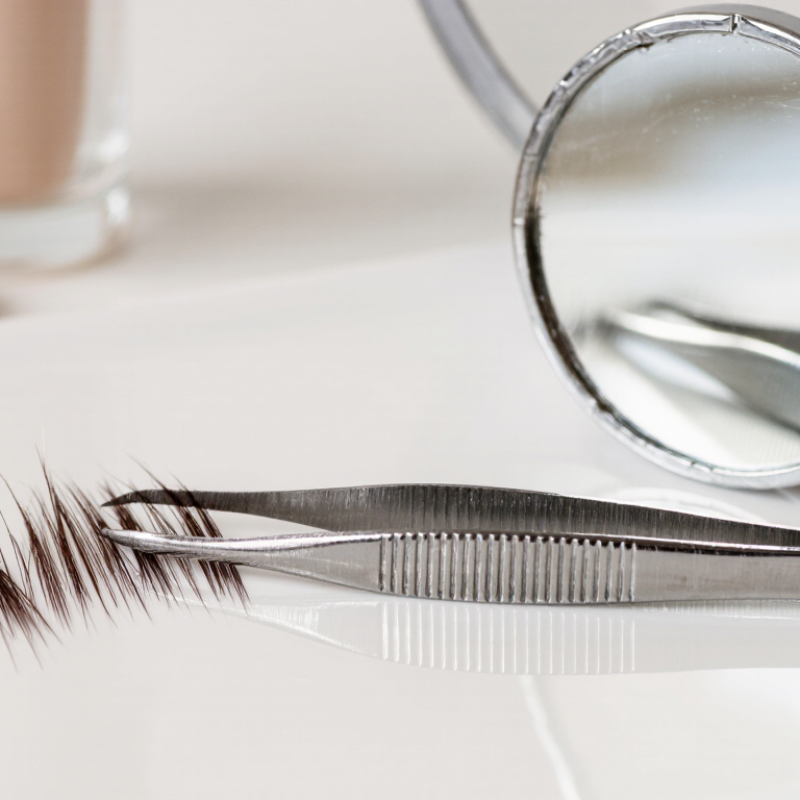
How to Choose the Best Eyebrow Tweezers?
Eyebrow tweezers work by transferring pressure from your fingers to two joined arms. When the tips meet evenly, they hold one hair without excessive force. Precise alignment matters more than a shiny finish. Slanted tips suit general shaping, while pointed tips help remove tiny or ingrown-looking hairs carefully. A firm but flexible body also reduces hand fatigue during detailed grooming.
Test the tweezers on clean, dry skin before shaping. The tips should close smoothly, without a visible gap or sharp scraping feeling. Stainless steel is practical because it resists corrosion and can be cleaned easily. In my experience, a comfortable grip improves accuracy more than extreme sharpness. Very sharp tips can pinch skin. That mistake is easy to make.
Tips: Hold the skin gently with one hand and pull hairs in their growth direction. Work near a window or use a bright, neutral lamp. Remove one hair at a time. Pause often. Clean the tips with alcohol, then let them dry fully. Avoid sharing tweezers, even with family. If a hair breaks instead of sliding out, the angle may be wrong, or the tool may need better alignment. I sometimes overestimate symmetry, so stepping back from the mirror helps prevent unnecessary plucking.
Eyebrow tweezers are not interchangeable. Slant-tip tweezers offer a broad edge for removing several short hairs or shaping a clean arch. Pointed-tip tweezers target single ingrown-looking hairs and tiny regrowth. They demand steadier hands. Flat-tip tweezers grip thicker hairs well, but may remove too much if used carelessly. Round-tip designs feel gentler near sensitive skin, although their grip can be less precise.
In practical testing, the best pair should close evenly without forcing your fingers. Check the tip under bright light. Uneven contact often leaves hair half-pulled, causing repeated irritation. A 2024 McKinsey beauty industry analysis projects the global beauty market could approach $590 billion by 2028, with consumers paying more attention to precise, at-home grooming. That growth does not make every tool better. It makes selection more important. The American Academy of Dermatology recommends avoiding repeated plucking of irritated skin and using clean tools. Wipe the tips with 70% isopropyl alcohol before and after use, then let them dry completely.
A small flaw matters.
I once preferred very sharp pointed tips, but they were awkward around the brow’s inner corner. Slant tips worked better there. Personal technique changes the answer. Choose the type that matches your hair thickness, skin sensitivity, and control—not just the most polished appearance.
Choosing eyebrow tweezers is easier when their features match your brow-shaping needs. A 2024 report from the IMARC Group identifies precision, material quality, and ergonomic design as important factors in the eyebrow-grooming tools market. For isolated, short hairs, choose pointed tips. They can reach the tiny hairs beneath the arch, but they require a steady hand. Slanted tips suit general shaping and offer better control around the brow line. Flat tips remove several hairs quickly, though they may create uneven gaps if your pressure is too strong.
Your grip matters more than it seems. Look for smooth, consistent tension, not a stiff spring that strains your fingers. Stainless steel is practical because it resists corrosion and can be cleaned easily. The Global Wellness Institute reported that personal care and beauty remained major parts of the global wellness economy in its 2024 industry data, reflecting continued interest in precise at-home grooming. Still, market growth does not guarantee every tool performs well. I have found that attractive finishes can distract from poor alignment.
Tips: Test the tips against a clean tissue. They should meet evenly, without leaving a visible gap. Use slanted tweezers for maintenance and pointed tweezers for precision work. Clean them with 70% isopropyl alcohol, then let them dry fully. Work near a window or use a magnifying mirror. Remove one hair at a time. Stop when the shape looks balanced, even if a few hairs remain.
How to Choose the Best Eyebrow Tweezers?
Choosing eyebrow tweezers starts with the material. Stainless steel is practical because it resists rust and cleans easily. A smooth, polished surface feels safer against delicate skin. Check the tips under bright light. They should meet evenly, without a visible gap. I have found that poor alignment causes repeated pulling and more irritation. Sharp tips are useful, but extreme sharpness is not always better. A slightly rounded edge can offer more control for home grooming.
Grip affects every small movement. Look for textured sides or a broad finger area. Your fingers should stay steady, even when they are slightly damp. Test the tension before buying. It should close with light pressure, not a painful squeeze. Precision depends on both tip shape and hand control. Slanted tips work well for shaping, while pointed tips can catch very fine hairs. Comfort matters during longer sessions. A heavy tool may feel professional, yet it can tire your hand quickly. Mine did.
Clean the tweezers before and after use with suitable alcohol wipes, then let them dry fully. Avoid dropping them, because tiny bends can ruin alignment. I once blamed my technique when the real problem was a warped tip. That mistake changed how I inspect tools. Good tweezers should remove one hair at a time, without pinching nearby skin. Test them slowly on a small area first.
Compare common tweezer materials using four practical criteria: material durability, grip control, precision, and hand comfort. Scores use a 1–10 evaluation scale based on typical material and design characteristics.
Stainless steel offers a strong balance of durability and precision, while titanium is lightweight and comfortable for extended use. Carbon steel can provide excellent sharpness but requires better care against corrosion. Plastic tweezers are generally gentler and lighter but offer lower precision and durability.
I used to choose the sharpest tweezers. That was a mistake. A safer pair has aligned tips, firm tension, and a comfortable grip. Slanted tips suit shaping and removing several visible hairs. Pointed tips offer precision, but they demand steadier hands. Avoid tools with jagged edges or loose hinges. They can pinch skin and break hairs instead of removing them cleanly.
The wider beauty-tools market is expanding. Grand View Research’s 2024 Beauty Devices Market report forecasts strong annual growth through 2030. That growth does not make every tool safer. The American Academy of Dermatology advises gentle hair removal and clean equipment to reduce irritation. Wash your hands first. Pull each hair in its growth direction, close to the root. Stop when skin becomes red or sore. Over-plucking is easy, especially under bright bathroom lighting.
Tips: Wipe tweezers with 70% isopropyl alcohol before and after use. Let them dry completely. Never share them, even with family. Store them in a clean case, not loose beside makeup. Replace bent tools. A small mirror helps, but magnification can encourage excessive removal. Check both eyebrows from a distance. They may not match perfectly, and that is normal. Heredity, skin sensitivity, and technique change results, so professional advice is sensible when irritation persists.
Slant-tip tweezers shape arches and remove several visible hairs. Pointed tips target tiny regrowth. Flat tips grip thick hairs, while round tips feel gentler.
Slant-tip tweezers usually provide the best control for shaping. Their angled edge follows the brow line more naturally.
Use pointed tips for one short hair at a time. They require steady hands and careful lighting.
Close the tips under bright light. They should meet evenly without forcing your fingers.
Wipe the tips with 70% isopropyl alcohol before and after use. Let them dry completely.
Wash your hands first. Pull each hair in its growth direction, close to the root. Stop when the skin becomes red or sore.
No. Keep them personal. Store them in a clean case instead of leaving them beside makeup.
Replace tweezers with bent tips, loose hinges, or jagged edges. Small flaws can pinch skin or break hairs.
Perfect symmetry is unrealistic. Check them from a distance, not only through magnification.
I once chose the sharpest pointed tips, but they felt awkward near the inner corner. Slant tips worked better there.
Choosing the best Eyebrow Tweezers starts with understanding how their tips meet, grip, and remove individual hairs without unnecessary pulling or irritation. Different designs, such as slant-tip, pointed-tip, and flat-tip tweezers, serve different purposes, from general shaping and fine detailing to handling short or ingrown hairs. The ideal pair should match your brow routine and provide a balance of precision, control, and ease of use.
When comparing Eyebrow Tweezers, consider durable, skin-friendly materials, aligned tips, a comfortable grip, and smooth tension that does not strain your fingers. Beginners may prefer slanted tips for versatility, while experienced users may benefit from pointed tips for highly precise work. Always use tweezers on clean skin, pull hairs in the direction of growth, and avoid excessive plucking. After each use, clean and dry the tweezers, store them safely, and check the tips regularly to maintain accuracy and hygiene.