
Beauty & Surgical-Grade Instruments for Tomorrow · OEM & Private Label · Worldwide Export

Send Inquiry
0%

Cuticle Pushers are small tools, yet their design affects comfort, precision, and nail safety. China’s expanding manicure market has made this category more competitive, with domestic manufacturers offering stainless-steel, ceramic, glass, and dual-ended models. This guide examines the top 10 Cuticle Pushers in China through practical criteria, including edge smoothness, handle balance, corrosion resistance, cleaning compatibility, and professional feedback.

Market evidence supports closer attention to this product segment. Grand View Research reported that the global nail care products market reached approximately US$23.41 billion in 2022, with continued growth projected through 2030. Euromonitor International’s Beauty and Personal Care in China research also identifies rising beauty-service consumption and stronger interest in at-home grooming. These reports do not rank individual tools, however. That limitation matters.

A good tool should feel controlled, not sharp or aggressive. Doug Schoon, a respected nail industry scientist and author, has stated, “The nail plate is not living tissue, but the nail bed is.” His reminder explains why pressure and technique matter during cuticle care. The best Cuticle Pushers should lift nonliving tissue gently, without scraping the surrounding skin. Stainless steel is often preferred in salons because it tolerates repeated cleaning, but material alone proves little. Edge finishing matters more than a shiny surface.

This ranking combines product specifications, salon usability, maintenance needs, and publicly available customer evidence. Some conclusions remain subjective. A comfortable tool for one technician may feel awkward to another. That is worth remembering before choosing a “best” model.
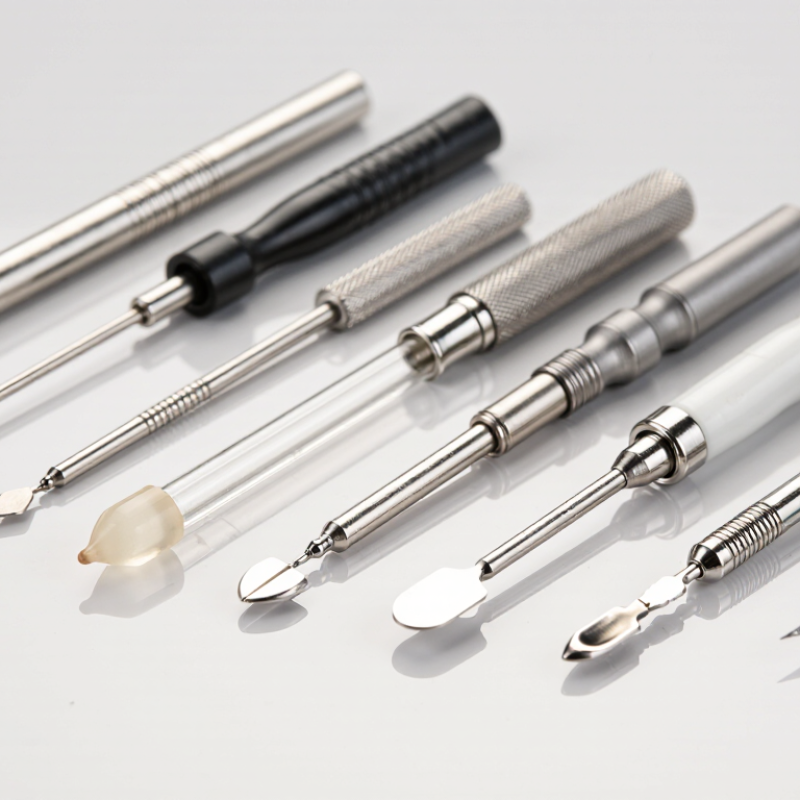
What Are the Top 10 Cuticle Pushers in China?

What Is a Cuticle Pusher and What Is It Used For?

A cuticle pusher is a small manicure tool that gently moves softened cuticle tissue away from the nail plate. It can also lift thin residue near the nail edge before polish application. The usual forms include a rounded metal end, a wooden stick, or a dual-ended design. Each requires controlled pressure, not force. Cuticles protect the nail root, so cutting or scraping living tissue can cause irritation and small injuries.

According to Grand View Research, the global nail care products market reached about USD 23.41 billion in 2022 and may grow at 5.2% annually through 2030. Mordor Intelligence also reports continued demand for professional and home manicure tools in Asia-Pacific. These figures explain why Chinese consumers increasingly compare the top ten cuticle pushers by material, grip, cleaning method, and tip shape. A smooth stainless-steel tip is durable and easier to disinfect. A wooden tip feels gentler but usually needs frequent replacement.

Technique matters more than price. Soften the cuticle after a warm shower or with a suitable remover, then push slowly at a shallow angle. Never use a sharp edge on dry skin. I would also question rankings based only on appearance; a polished handle may still feel unstable during use. Clean the tool before and after each manicure, and stop when redness or pain appears. Small details matter.

How Cuticle Pushers Are Classified in China

In China, cuticle pushers are commonly classified by material, structure, and intended use. Stainless-steel models are durable, washable, and suited to professional nail work. Their working ends may be spoon-shaped, flat, or angled. Each shape serves a different nail contour. Glass and ceramic pushers offer a smoother feel, but they can chip or break after impact. Wooden sticks are light and inexpensive. Many salons treat them as single-client tools. That practice is safer than reusing porous wood. Some sellers place double-ended tools in a separate category. One end pushes the cuticle; the pointed end cleans narrow sidewalls. It is useful, though beginners may press too hard.

Another Chinese market classification separates manual and electric pushers. Manual tools give better pressure control and remain common for home manicures. Electric devices use rotating heads and require training, steady handling, and proper cleaning. They should not be judged only by speed. Product listings also distinguish household, salon, and portable travel types. These labels often describe packaging and intended frequency, not a universal technical standard. Check the metal finish, edge smoothness, grip, and cleaning instructions before purchase. A rough edge can scratch the nail plate or irritate nearby skin. I have found that tool balance matters more than appearance during repeated work. Still, classification can vary between suppliers. Buyers should compare specifications, user instructions, and material claims rather than trust a single category name.

What Are the Top 10 Cuticle Pushers in China? — How Cuticle Pushers Are Classified in China

This chart classifies ten common cuticle-pusher types by their primary working material and compares typical material hardness on the Mohs scale. Ceramic, glass, and stainless-steel tools generally provide greater rigidity, while silicone, plastic, bamboo, and wood models are softer and more suitable for gentle or disposable use. “Top 10” refers to category coverage rather than company sales rankings. Polymer and natural-material values are approximate comparative references.

Top 10 Cuticle Pushers Available in China

What Are the Top 10 Cuticle Pushers in China?

Top 10 Cuticle Pushers Available in China

In China, the best cuticle pushers differ by material, shape, and handling comfort. My practical ranking starts with the stainless-steel double-ended pusher, followed by the spoon-shaped pusher, angled metal pusher, flat metal pusher, and pointed curette. These tools offer firm control around the nail plate. They also tolerate careful cleaning and professional sterilization.

The sixth option is a silicone-tipped pusher, which feels gentler on sensitive skin. Seventh is the wooden orangewood stick, useful for occasional home care. Eighth is a glass pusher with a textured edge. Ninth is a narrow precision pusher for small nail beds. Tenth is a wide ergonomic pusher designed for longer salon sessions. Small details matter. A smooth handle can prevent hand fatigue.

From salon practice, I check the edge before every use. It should be even, rounded where needed, and free from rust or sharp burrs. The tool must move over softened cuticles, not scrape aggressively. Washable metal tools require proper cleaning and disinfection procedures. Disposable wooden tools should not be reused. I once preferred very pointed designs, but they offered less control on thin nails. My ranking may change with hand size, nail condition, and training. No tool is perfect. Gel residue can also hide damage, so bright lighting helps during inspection.

Key Features, Materials, and Uses of Each Cuticle Pusher

China’s top ten cuticle pushers differ in shape, material, and control. The stainless-steel spoon pusher is durable and easy to disinfect. Its rounded edge suits regular salon work. The angled stainless-steel pusher reaches sidewalls more accurately. A curette-style tool removes loose residue from narrow corners. It needs a gentle hand. The dual-ended model combines a spoon end with a pointed scraper. This saves space, but beginners may press too hard. A glass pusher has a finely textured surface. It works well on dry, thin cuticles and needs careful storage. The ceramic pusher offers a smooth abrasive finish. It can refine rough edges, though cleaning its texture takes patience.

Wooden orange sticks are affordable and useful for softening and nudging cuticles after soaking. They are disposable, but their tips can split. Silicone pushers feel soft and reduce pressure during home manicures. Their flexibility may limit precision around small nails. Plastic pushers are lightweight and practical for travel. Choose firm, rounded plastic rather than brittle material. A rubber-tipped pusher helps protect sensitive nail plates. It is comfortable, yet slower for thick buildup. The tenth option is an electric pusher with a rotating head. It suits trained users who understand speed control, dust management, and nail-plate limits. I have found that material alone does not guarantee safety. Angle, pressure, sanitation, and the user’s experience matter more. Some product claims sound impressive, but real comfort should be tested on one nail first.

What Are the Top 10 Cuticle Pushers in China? - Key Features, Materials, and Uses of Each Cuticle Pusher
Rank Cuticle Pusher Type Common Material Tip Design Handle and Ergonomics Best Use Key Features Care and Safety Notes
1 Double-Ended Stainless-Steel Pusher Surgical-grade or salon-grade stainless steel A spoon-shaped end for pushing and a pointed or scraper end for detail work Textured or knurled shaft for a secure grip Professional manicures, pedicures, and routine cuticle maintenance Durable, reusable, corrosion-resistant, and suitable for professional sterilization Disinfect and sterilize according to salon protocol. Do not use excessive pressure or a sharp tip on living skin.
2 Spoon-Shaped Metal Pusher Stainless steel or anodized aluminum Broad, curved spoon end that follows the natural nail curve Usually a straight or lightly contoured metal body Softening and gently moving the proximal nail fold after soaking Broad contact surface helps distribute pressure and reduces concentrated scraping Use only on softened tissue. Avoid digging under the nail fold or cutting attached living cuticle.
3 Angled Stainless-Steel Pusher Stainless steel Slanted edge designed to reach sidewalls and corners Slim handle with a textured center section Cleaning the lateral nail folds and working around short or narrow nails Angled profile improves access to side edges without requiring extreme wrist movement Keep the working edge smooth and rounded enough to prevent scratching the nail plate or skin.
4 V-Shaped Cuticle Scraper Stainless steel Narrow V-shaped groove for precise removal of loose residue Slim, often textured metal handle Removing loosened nonliving tissue from the nail plate and sidewalls Precise tip is useful for detailed nail preparation before polish or gel application Use lightly and only on loose tissue. It should not be used to cut or gouge the living cuticle area.
5 Glass Cuticle Pusher Tempered glass with a textured working surface Rounded, flat, or gently tapered abrasive end Smooth glass body; some designs include a protective sleeve Gentle home manicures and dry maintenance of small amounts of nonliving tissue Nonporous, easy to clean, and capable of lightly smoothing rough cuticle edges Protect from impact and sudden temperature changes. Replace if chipped, cracked, or damaged.
6 Ceramic Cuticle Pusher Fine ceramic or ceramic-coated abrasive material Rounded abrasive tip, sometimes combined with a pointed detail end Lightweight body with a molded or coated grip Light smoothing of dry, flaky cuticle residue and nail-surface preparation Hard, wear-resistant tip can provide controlled abrasion without metal edges Apply minimal pressure. Ceramic can chip if dropped, and an uneven tip should not be used.
7 Wooden Orange Stick Birch, orange wood, or other smooth hardwood One pointed end and one beveled or flat end Lightweight, disposable, and easy to hold Gentle pushing, cleaning around the nail edge, and correcting polish near the cuticle Inexpensive, widely available, and less likely than metal to scratch the nail plate Use once when possible because wood is porous and difficult to sterilize reliably. Discard after use or when rough.
8 Plastic Cuticle Pusher Polypropylene, ABS, or other hard salon-grade plastic Rounded spoon end, flat edge, or dual-ended design Molded ergonomic grip; often lightweight and color-coded Home use, travel kits, and basic manicure services Lightweight, economical, and less abrasive than a sharp metal scraper Clean and disinfect only when the plastic is compatible with the chosen product. Replace warped or scratched tools.
9 Silicone-Tipped Pusher Medical-grade or cosmetic-grade silicone over a plastic or metal core Soft rounded silicone paddle or tapered flexible tip Non-slip, cushioned grip with low hand fatigue Sensitive skin, beginners, and gentle pushing after cuticle softening Flexible tip conforms to the nail contour and provides a low-scratch contact surface Not suitable for scraping hard, adhered buildup. Wash and disinfect according to the silicone and core materials.
10 Hoof-Style Cuticle Pusher Stainless steel, plastic, or mixed-material construction Curved hoof-shaped end designed to fit the proximal nail curve Usually a thick, ergonomic handle for controlled pressure Pushing back softened cuticles on broad or average-shaped nail plates Curved shape covers a wider area and can speed up routine manicure preparation Match the curve to the nail and work gently from the center toward the sides to avoid pinching skin.

How to Choose and Use a Cuticle Pusher Safely

What Are the Top 10 Cuticle Pushers in China?

A top-ten list is less useful than safe selection. Choose a cuticle pusher with a smooth, rounded edge and a firm, comfortable handle. Stainless steel is practical because it is easy to clean. Avoid sharp corners, rough surfaces, and tools that bend during use. The American Academy of Dermatology Association explains that cuticles help protect the nail root from infection. They should be softened, not aggressively removed.

According to Grand View Research, the global nail care products market was valued at about USD 23.41 billion in 2023. This growth reflects rising home-care interest, but popularity does not guarantee safe technique. Soak fingertips briefly in warm water, or apply cuticle softener first. Push gently from the center toward the sides. Stop when you feel resistance, pain, or heat. Never use the tool on broken skin, redness, or swelling. Clean the pusher before and after use, then dry it fully. I sometimes see people pressing too hard for a “cleaner” outline. That habit is difficult to defend.

FAQS

What is a cuticle pusher used for?

It gently moves softened cuticle tissue from the nail plate. It can also lift loose residue before polish application.

Which materials are commonly used for cuticle pushers?

Common choices include stainless steel, wood, glass, ceramic, silicone, plastic, and rubber. Each material feels different during use.

Which cuticle pusher is easiest to clean?

Smooth stainless steel is durable and easier to wash and disinfect. Wooden sticks are disposable and should not be reused.

How should I use a cuticle pusher safely?

Soften the cuticles after a warm shower or with a suitable remover. Use a shallow angle and slow, light pressure.

Can I push dry cuticles?

Dry cuticles are harder to move safely. Avoid sharp edges on dry skin, or irritation may follow.

Are pointed cuticle pushers better for detailed work?

They can reach narrow corners and sidewalls. However, pointed tips may reduce control on thin nails.

What should I check before using a metal pusher?

Inspect the edge under bright light. It should be smooth, even, and free from rust or sharp burrs.

How do I choose between silicone, wood, and metal?

Silicone feels gentle on sensitive skin. Wood suits occasional home care, while metal offers firmer control and better durability.

Is the most expensive cuticle pusher automatically the best?

Not necessarily. Grip, tip shape, pressure control, and nail condition matter more than appearance or price.

When should I stop using a cuticle pusher?

Stop immediately if redness, pain, or bleeding appears. The tool may be unsuitable, or the pressure may be excessive.

Conclusion

Cuticle Pushers are essential manicure tools designed to gently move back the cuticle and clear away excess tissue from the nail plate, creating a cleaner and more polished appearance. In China, they are commonly classified by material, shape, handle design, and intended use. Popular types include stainless-steel pushers, wooden sticks, dual-ended tools, spoon-shaped pushers, flat-edged models, and ergonomic versions for professional or home care.

This article introduces the top 10 Cuticle Pushers available in China and explains the key features, materials, advantages, and suitable applications of each type. It also offers practical guidance for selecting the right tool according to nail condition, comfort, durability, and hygiene requirements. To use a cuticle pusher safely, soften the cuticles first, apply gentle pressure, avoid scraping living skin, and disinfect reusable tools after every use. Proper technique helps protect the nail surface and supports a neat, healthy-looking manicure.

Amelia

Amelia

Amelia is a professional marketing specialist with a strong understanding of the company’s products and the needs they are designed to meet. She regularly contributes expert articles to the company website, turning product knowledge and industry insights into clear, useful guidance for customers.......