
Engineered for surgical precision, tissue dressing, micro-dissection, and clinical laboratory routines. Explore our flagship custom OEM manufacturing models.
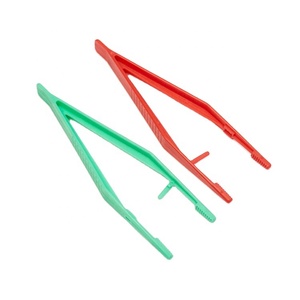
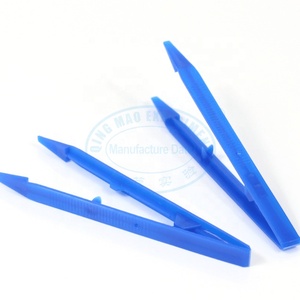
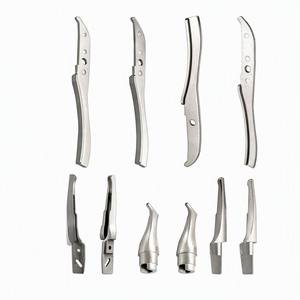
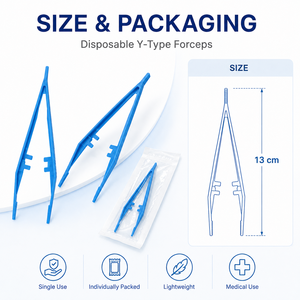
An exhaustive engineering benchmark for procurement officers, hospital purchasing agents, and private-label distributors evaluation criteria.
In modern surgical operations, clinical dressing changes, microsurgical isolation, and specialized laboratory work, forceps and tweezers are not merely hand tools—they are extensions of the surgeon's hands. The functional distinction between a standard commercial tweezer and a Custom OEM Medical Grade Tweezer lies in micro-alignment, metallurgical purity, tension memory, and biocompatible corrosion resistance.
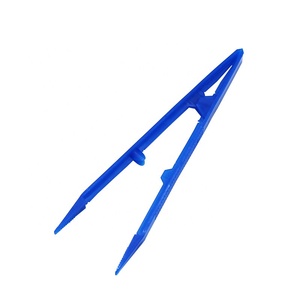
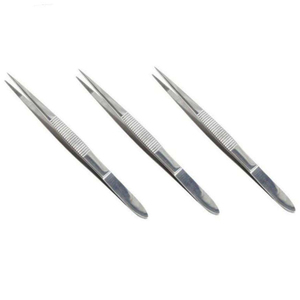
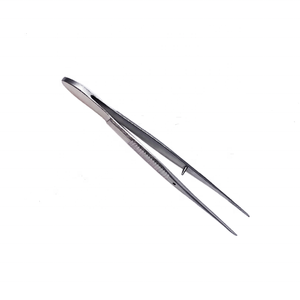
At PURE TOUCH INDUSTRY (manufacturing from Sialkot, Pakistan—the globally recognized epicenter of surgical instrument craftsmanship), our medical tweezers undergo rigorous cold-forging, precision CNC profiling, and hand-finishing routines. We utilize medical-grade austenitic steel (AISI 316L) for superior acid and corrosion resistance, martensitic stainless steel (AISI 420 / 410) for high edge hardness and spring memory, as well as medical-grade virgin Polypropylene (PP) and ABS for Class I sterile single-use surgical dressing kits.

Selecting the precise alloy or polymer compound depends entirely on the clinical application, sterilization protocol, and life-cycle requirements of the end-user:
| Material Grade | Primary Application | Corrosion Resistance | Sterilization Method | Key Physical Property |
|---|---|---|---|---|
| AISI 316L Stainless Steel | Micro-surgery, Tissue Forceps, Ophthalmic Tweezers | Exceptional (High Molybdenum) | Autoclave, Gamma, EtO, Dry Heat | Non-magnetic, anti-acid, high ductility |
| AISI 420 Martensitic Steel | Orthopedic Bone Forceps, Splinter Forceps | High (Heat Treated) | Autoclave, Dry Heat Sterilization | High Rockwell Hardness (HRC 48-52), sharp tip retention |
| Titanium Grade 5 (Ti-6Al-4V) | Neuro-surgery, MRI-Compatible Operating Rooms | Immune to Body Fluids | Autoclave, Chemical Sterilization | 40% Lighter than steel, 100% Non-Magnetic |
| Medical Grade PP / ABS Polymer | Single-Use Dressing Kits, Emergency First Aid Kits | N/A (Single Use Disposable) | Gamma Irradiation, EtO Gas | Phthalate-free, lightweight, zero cross-contamination risk |
Analysis of global regulatory shifts, supply chain diversification, and technological innovations shaping international B2B buyer decisions.
Traditional hand-forging is increasingly augmented by Metal Injection Molding (MIM) for high-volume complex surgical clamps, hemostatic forceps, and micro-tweezers. MIM technology achieves near-net shape production with density exceeding 97%, guaranteeing dimensional repeatability within ±0.02mm across 100,000+ unit batches.
Hospitals are bifurcating inventory strategies: adopting cost-effective Class I disposable medical tweezers (PP/ABS) for routine wound care to reduce hospital-acquired infection (HAI) risks, while investing in premium PVD coated, vacuum-heat-treated reusable stainless tweezers for specialized operating rooms.
Under EU MDR 2017/745 and FDA UDI regulations, international buyers demand direct laser marking of Unique Device Identifiers (UDI), batch codes, and material traceability indicators directly onto the instrument shank—a core capability embedded into our OEM manufacturing lines.
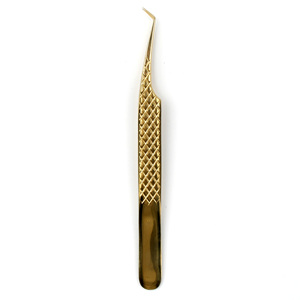
Modern surgical suites utilize ultra-bright LED overhead lighting. Suppliers must provide anti-glare satin finishes, non-reflective matte passivation, electro-black oxide coatings, or aesthetic PVD plasma coatings (gold, rose gold, rainbow) for medical beauty and ophthalmic applications.
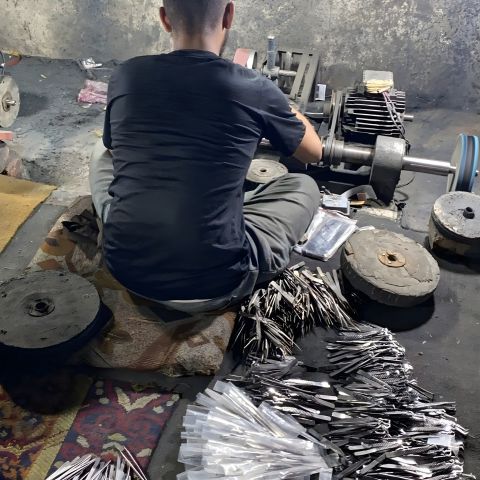
Sialkot, Pakistan has served as the world’s leading hub for surgical and beauty instrument forging for over a century. PURE TOUCH INDUSTRY leverages this unmatched local heritage, combining generational artisan hand-finishing with modern CNC milling, optical measurement, and automated quality control.
Unlike mass-produced stamped metal tools, our medical grade tweezers are individually aligned under 10x micro-magnification. We ensure that tip closure—whether pointed micro-tips, anatomical serrated jaws, or flat dressing tips—meets flush without gap slippage or spring fatigue.
From raw steel billet selection to final cleanroom export packaging, our manufacturing process adheres to strict quality assurance steps:
Clients submit technical drawings, physical reference samples, or performance criteria (tip geometry, serration pitch, handle knurling). Our engineering team generates 3D CAD/CAM models for approval.
Certified steel blanks undergo drop-forging or precision MIM forming. CNC micro-milling carves internal serrations, guide pins, and interlocking teeth with sub-millimeter tolerances.
Instruments pass through vacuum heat-treatment furnaces to achieve optimum hardness (HRC 48-52 for martensitic cutting/gripping tools) without surface decarburization, ensuring permanent spring resilience.
Chemical passivation removes free iron particles from the surface, creating an impenetrable chromium oxide layer (ASTM A967 compliant) that prevents rust during repeated autoclave cycles.
Master craftsmen adjust tip closure by hand. Each pair is inspected under optical magnifiers to verify 100% flush contact along the working jaw surfaces.
Custom branding, logos, UDI barcode numbers, and batch tracking codes are fiber-laser etched. Products are packed in dust-free cleanrooms in bulk or individual retail/sterile pouches.
Inspected and verified to satisfy rigorous global regulatory standards for medical instruments.
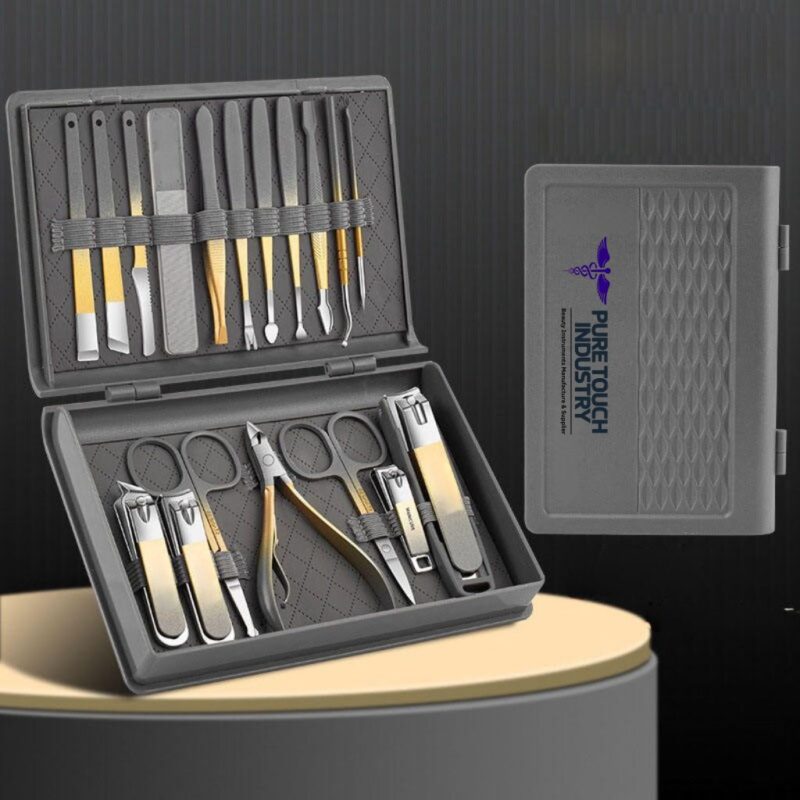
Figure 1: Quality Assurance & Optical Micro-Alignment Inspection Desk
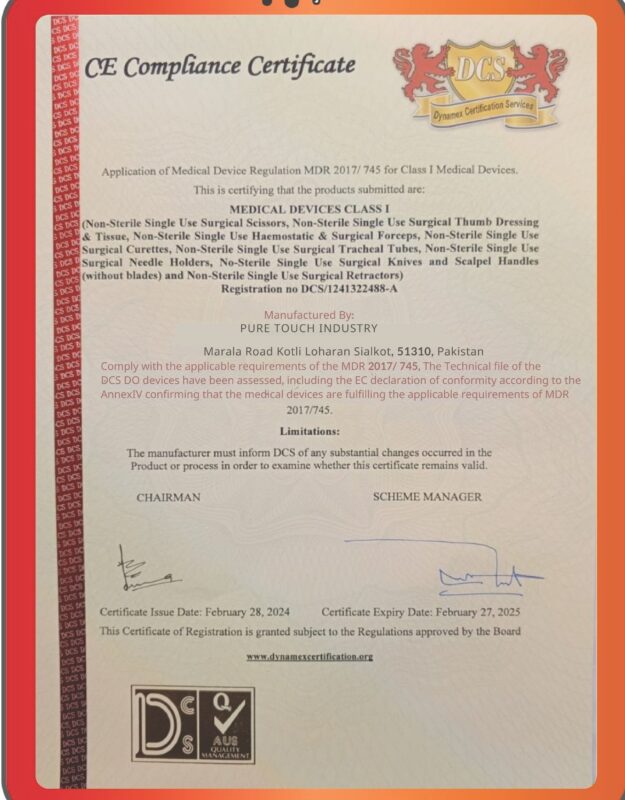
Figure 2: Manufacturing Standards & Export Packing Capabilities

Answers to common technical, metallurgical, and procurement inquiries raised by global medical device importers, distributors, and OEM brand buyers.
AISI 304 contains 18% Chromium and 8% Nickel, offering excellent standard corrosion resistance. AISI 316L adds 2-3% Molybdenum and maintains a lower carbon content, dramatically increasing resistance to pitting in saline solutions, body fluids, and harsh chemical sterilants used in operating rooms.
Every precision tweezer model passes through a dual-stage inspection: automated optical profile measurement followed by hand-alignment by senior craftsmen under 10x magnification to guarantee 100% tip alignment without jaw overlapping.
Yes. We provide high-precision fiber laser engraving for logos, part numbers, and UDI codes directly on the stainless steel body. Packaging options include sterile pouching, blister cards, custom zip leather cases, and boxed retail sets.
All our reusable stainless steel (316L, 304, 420) and titanium tweezers undergo passivation treatments compliant with ASTM A967 standards, making them fully resistant to standard 134°C (273°F) steam autoclave sterilization cycles without rusting or dulling.
Absolutely. We offer anatomical cross-hatched serrations, longitudinal scoring, 1x2 tissue teeth (Adson style), as well as brazed Tungsten Carbide (TC) jaw inserts for maximum grip longevity on dense tissue or needles.
Pre-production samples are prepared within 7–10 business days for standard and modified geometries. Flexible MOQs are available depending on whether the product is a custom steel forging or single-use plastic model.
Request comprehensive product catalogs, technical material specifications, or custom OEM factory quotes directly from our engineering team in Sialkot.